
I left GTC Berlin more convinced that the pace of change in AI is accelerating, and that what we are experiencing today is still the beginning.
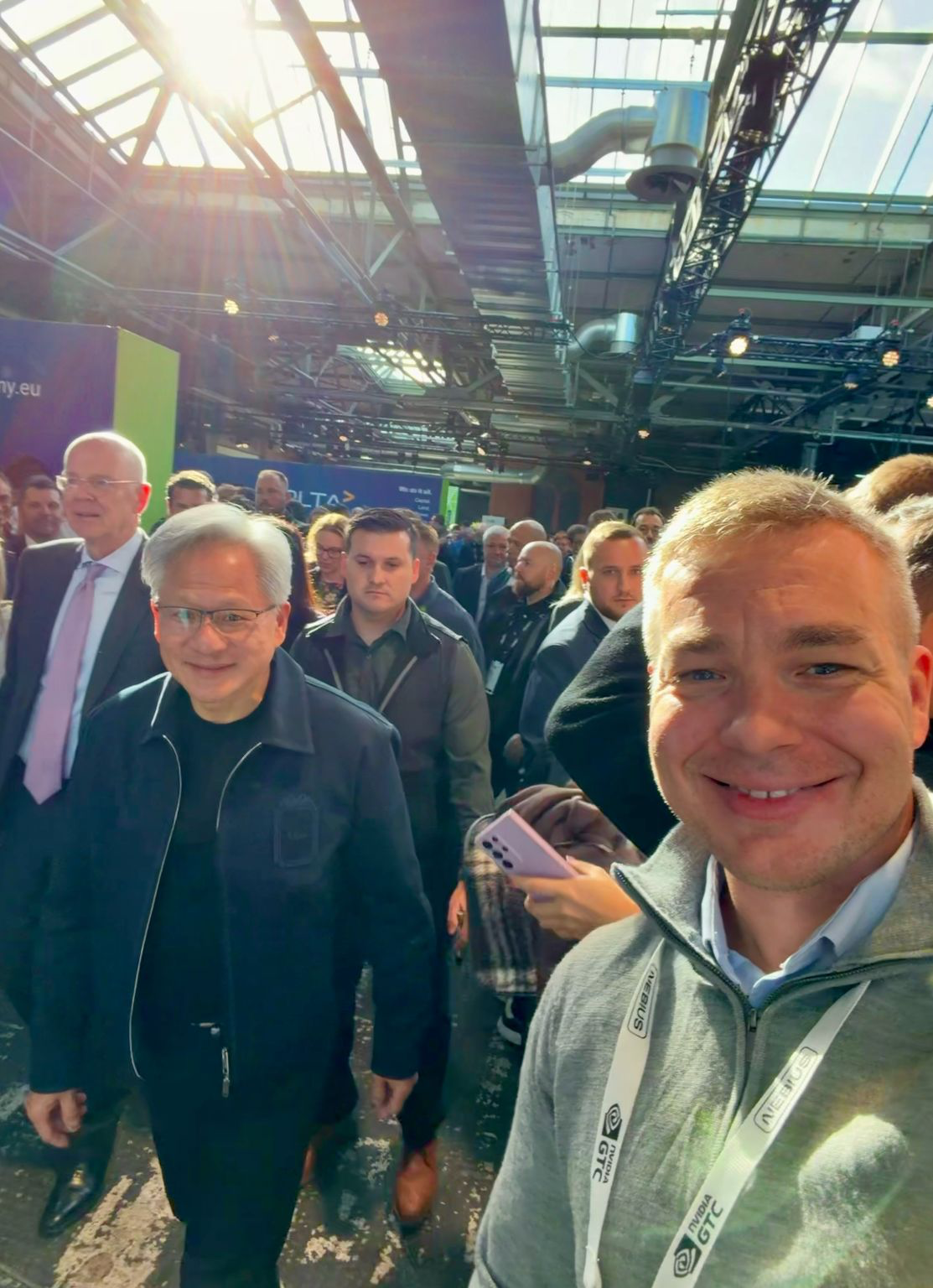
It was a good opportunity to meet people working across AI and software development, exchange perspectives, and think about where this is taking us. For me, two areas stand out: how AI changes the way we develop software, and what happens when that software starts driving cars and operating machines around us.
From software development to the world around us
AI can help teams write code faster. But faster development also raises the bar for understanding what that code does, how different parts of a system interact, and whether the result behaves reliably.
Working with engineering teams has made me particularly interested in this question. Producing more software creates value when teams can also integrate, maintain and trust it. As AI takes on more of the development work, those capabilities become even more important.
The stakes rise further when the software controls something physical.
Autonomous driving is becoming tangible in Europe
Self-driving vehicles are starting to become a practical reality here too. Deployment is progressing through a mixture of testing, supervised services and early commercial operations. Hamburg’s autonomous passenger trials are one example of that transition.
There is still considerable work between operating within defined conditions and providing a service that works broadly, safely and economically. But the direction is becoming much easier to see. The commercial questions are increasingly concrete: where can these systems operate, who will use them, and what will it take to scale?
Humanoids are entering real working environments
Humanoid robots are also being tested in production environments. BMW’s manufacturing pilots are a useful example of companies evaluating how these machines fit into actual operations.
My expectation is that within three to five years, we will start seeing humanoid robots in selected public-facing roles, potentially sharing some of the spaces we move through every day. The timing is uncertain, and adoption will vary considerably by task and environment. Still, I believe the change will feel surprisingly fast once useful applications become repeatable.
What interests me most is how these developments connect. AI helps develop the software; that software gives machines greater capability; operating those machines creates new demands for safety, reliability and human oversight.
That is where much of the difficult—and commercially valuable—work sits.
GTC Berlin strengthened my conviction that this transition deserves serious attention now. For anyone building software, products or businesses around it, there is already plenty to work on.
Close ↑